The global travel-tech market is traditionally dominated by long-established players with extensive operational networks, large teams, and significant financial resources.
Against this backdrop, the recent success of Limotak, a startup operating in the premium ground transportation segment, stands out as a notable case of non-traditional growth and execution.
In 2025, Limotak was named The World’s Best Chauffeur Booking Platform by World Travel Tech Awards, prevailing in a category populated by companies that have shaped the industry for more than a decade.
Winning in a Highly Competitive Category
World Travel Tech Awards is regarded as one of the leading international benchmarks for innovation and performance in travel technology. The category in which Limotak prevailed included long-standing market leaders with global brand recognition, large operational teams, and multimillion-dollar budgets.
The startup’s victory highlighted a shift in evaluation criteria within the industry, where product execution, operational consistency, and technology-driven service quality increasingly outweigh scale alone.
From Market Entry to Global Recognition in 2.5 Years
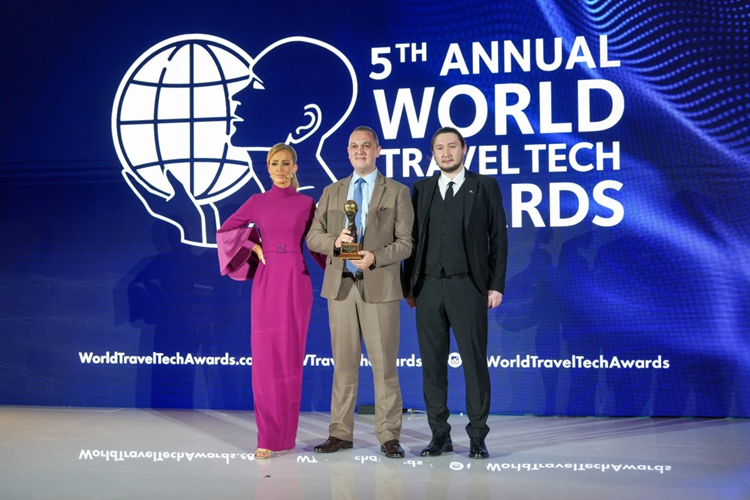
Limotak has been operating for just 2.5 years, a relatively short timeframe in a sector where reputation and trust are typically built over long periods. During this time, the company developed a platform that enables customers to book premium chauffeur transfers in more than 100 countries worldwide.
Rather than pursuing aggressive expansion, the startup focused on building a scalable infrastructure capable of maintaining consistent service standards across diverse markets.
Lean Team, Structured Execution
The company operates with a compact, distributed team, allowing it to remain agile while maintaining direct oversight of product development and operations. This structure has enabled faster decision-making and tighter alignment between technology, service delivery, and customer expectations.
According to industry observers, this disciplined approach has been a key factor behind Limotak’s ability to compete with significantly larger organizations.
Technology as a Core Operational Layer
One of Limotak’s defining characteristics is the early integration of artificial intelligence into its operational model. AI-driven tools are used to support quality control, manage workflows, and monitor service consistency across markets.
In the premium transportation segment—where reliability and predictability are critical—this technology-first approach has allowed the startup to scale without compromising service integrity.
Competing With Established Market Leaders
Most of the companies competing alongside Limotak in the awards category have operated for more than ten years and rely on scale, brand recognition, and financial leverage as core advantages. Limotak’s win demonstrated that alternative models built around operational discipline and technology can successfully challenge incumbents.
Rather than replicating traditional growth strategies, the startup focused on redefining how premium ground transportation services are structured and managed.
Premium Service as a System, Not a Feature

For Limotak, “premium” extends beyond vehicle class. The company positions premium service as a system encompassing standardized processes, real-time monitoring, clear communication, and accountability at every stage of the journey.
This systemic approach has enabled the platform to deliver a consistent customer experience across different regions and regulatory environments.
What the Win Signals for the Industry
Limotak’s recognition at World Travel Tech Awards reflects a broader trend within travel-tech: younger companies with lean structures and strong technological foundations are increasingly capable of outperforming established players.
The case illustrates how disciplined execution, early adoption of AI, and a focus on service architecture can create competitive advantages even in mature, highly competitive markets.
As travel-tech continues to evolve, Limotak’s trajectory offers insight into how startups can achieve global relevance without relying on traditional scale-driven growth models.