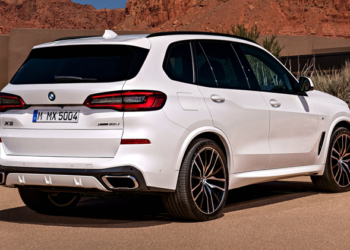
A large SUV is unnecessary for most driving in Muscat. The city’s main roads are paved, wide and designed for ordinary cars. The same is true of the principal routes to Nizwa and Sur.
Jabal Akhdar — also commonly written as Jebel Akhdar — is the clear exception. A four-wheel-drive vehicle is required for the ascent. Wadi Bani Awf presents a different problem: the route needs not only a capable 4WD but also off-road experience and permission from the rental provider.
Three questions settle most vehicle decisions. Is the road paved? Does the destination require four-wheel drive? Does the rental agreement allow the car to be taken there?
Sort the Route Before Comparing Cars
Oman routes fall into four practical groups:
| Road type | Examples | Vehicle | Main concern |
|---|---|---|---|
| Urban and highway | Muscat, Nizwa and Sur | Compact, saloon or crossover | Comfort, luggage and mileage |
| Controlled mountain road | Jabal Akhdar | Genuine 4WD | Access requirement and descent control |
| Rough mountain track | Wadi Bani Awf | High-clearance 4WD | Experience, tyres and contract restrictions |
| Sand and dunes | Off-road desert sections | Prepared 4WD | Recovery, tyre pressure and supplier approval |
Most confusion disappears once these road types are kept separate. A paved mountain highway is not off-road. A vehicle with an SUV-shaped body is not necessarily four-wheel drive. An insured 4WD is not automatically covered on sand.
Muscat Favours an Ordinary Car
Muscat extends for many kilometres between the airport, Al Khuwair, Qurum and Muttrah. A car is useful because these areas are spread out, not because the roads are difficult.
Two travellers with moderate luggage can use a compact automatic. A saloon is quieter on longer drives and usually provides a more useful boot. A crossover helps when several passengers and suitcases need to fit in one vehicle, but additional ground clearance brings little benefit inside the city.
Air-conditioning is more important than exterior size. Test it while the car is stationary and check the rear vents if the back seats will be occupied. A system that cools slowly at the collection point will not improve after several hours in direct sun.
Parking dimensions also favour a conventional car. Hotel garages and spaces near Muttrah can be easier to use without the width and turning circle of a full-size 4WD.
Nizwa and Sur Stay on the Paved Network
A journey from Muscat to Nizwa does not require four-wheel drive. Nizwa Fort, the souq and city accommodation are served by paved roads. Hiring a large 4WD solely for this journey adds rental and fuel costs without addressing a road requirement.
Sur follows the same logic. Its main connection with Muscat is paved and suitable for a saloon or crossover. The uncertainty begins with optional stops away from the highway.
A map pin labelled as a wadi, viewpoint or desert camp does not describe the final road. The approach may end at a surfaced car park, continue over maintained gravel or deteriorate into a track excluded by the rental contract.
Ask the accommodation or attraction where ordinary cars should stop. If a transfer is provided for the unpaved section, using it may be simpler than changing the rental category for one short detour.
Jabal Akhdar Makes the Decision for You
The road to Jabal Akhdar is controlled before the ascent, and a four-wheel-drive vehicle is required. A front-wheel-drive crossover will not qualify simply because the booking page calls it an SUV.
Rental categories such as “SUV or similar” describe body style and passenger capacity. They do not guarantee a 4WD system. Written confirmation should cover both the drivetrain and permission to use the Jabal Akhdar road.
The descent is the part that exposes poor technique. Select a lower gear before the vehicle gathers speed. Automatic models may provide manual selection, numbered lower gears or a descent-control setting.
Avoid resting a foot on the brake pedal for the entire slope. Continuous braking builds heat. Four-wheel drive improves traction, but it does not protect overheated brakes or shorten the stopping distance of a heavy vehicle.
Wadi Bani Awf Adds Driver Skill to the Equation
Wadi Bani Awf cannot be treated as an adventurous alternative to the main highway. Its rough sections can involve loose surfaces, steep gradients, confined bends and limited room for passing.
A high-clearance 4WD is the starting requirement. Suitable tyres, careful gear selection and experience on loose descents matter just as much. Hiring a capable vehicle does not supply the technique needed to drive it safely.
Contract language becomes decisive here. Some providers allow a 4WD on designated mountain routes but exclude unpaved tracks. Others may permit specific areas while excluding recovery or damage to tyres and the underside.
Drivers unfamiliar with rough mountain terrain should use a local guide. It may cost less than upgrading the rental for the full trip, and it removes the risk of learning off-road technique on an unfamiliar vehicle.
Wadi Crossings Are Weather Decisions
A wadi can remain dry at the crossing while rain falls higher in the mountains. Water may reach the lower channel later and with little warning.
Do not enter when rain is forecast across the surrounding catchment. Never park or camp in the channel. If water is already moving across the road and its depth cannot be established, turn around.
Vehicle size can encourage false confidence. A heavy 4WD still loses traction in moving water, and the current can conceal damaged surfaces or debris below.
Flash-flood exposure is a route problem, not an insurance problem. Additional coverage cannot make an unsafe crossing reasonable.
A Desert Camp Does Not Always Require Dune Driving
Several desert stays can be reached partly by paved road, with the accommodation arranging the final transfer. This allows travellers to keep a normal road car for the rest of the itinerary.
Driving independently on dunes is a separate activity. Tyre pressure must be adjusted, recovery equipment must be carried and the driver needs to understand momentum, slope angles and changing sand conditions.
Sand can also introduce costs not covered by standard insurance: recovery, damage beneath the vehicle, overheated components and tyre problems. Informal approval from a representative is weaker than a clause in the agreement or written confirmation from the supplier.
When only one night involves the desert, a camp transfer may be cheaper than renting a 4WD for an entire week.
The Vehicle and the Rental Terms Need to Match
A technically suitable car can still be unsuitable under its contract. Before paying, compare:
- the confirmed drivetrain rather than the advertised body category;
- roads and surfaces excluded from use;
- daily or total mileage limits;
- the security deposit;
- the insurance excess;
- coverage for tyres, glass and the underside;
- recovery and towing conditions;
- the accepted payment method.
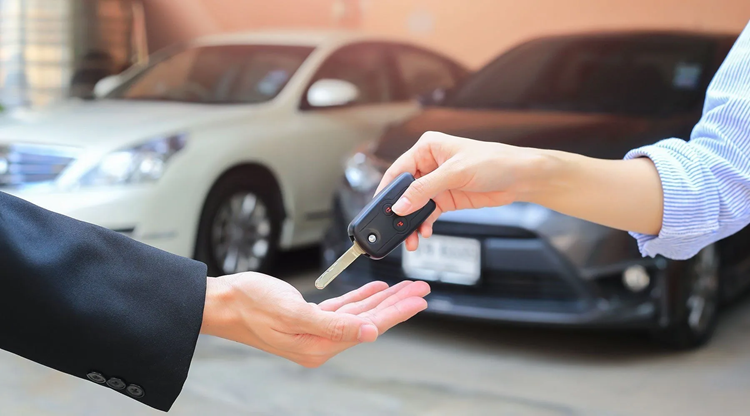
Offers listed by RentGo Muscat can differ by local provider and vehicle. Some accept a debit card or cash, while selected cars may be supplied without a security deposit. These conditions do not remove the insurance excess or grant permission for off-road use.
“No credit card”, “no deposit” and “full coverage” answer separate questions. None should be inferred from another.
Confirm the Licence Before Departure
Royal Oman Police states that a visitor may use a driving licence issued in their home country during a short visit of up to three months.
The rental provider and insurer may impose narrower conditions. An International Driving Permit can be required because of the issuing country, licence language or selected vehicle. It accompanies the original licence rather than replacing it.
Send the provider a copy in advance if there is any uncertainty. This is particularly useful for licences not printed in English or Arabic. Minimum age and driving-experience requirements may also be higher for full-size 4WD vehicles.
Driving in Muscat: Avoid Last-Second Corrections
Oman drives on the right. Muscat’s arterial roads use several lanes, divided carriageways and long distances between turning points. Missing an exit may add a few kilometres, but that is safer than crossing lanes abruptly.
Follow posted speed limits and move out of the left lane after overtaking. Cameras are used, carrying a mobile phone while driving is an offence, and speed should be reduced before roundabouts and junctions.
Beyond the city, watch for animals and slower vehicles entering from local roads. Good asphalt and light traffic can disguise speed, especially on long sections after dark.
Inspect What the Route Will Test
City driving places relatively little stress on a rental car. Heat, long distances and mountain descents reveal problems more quickly. Photograph the bodywork, windscreen, mirrors and wheels. Inspect the tyre sidewalls, locate the spare or repair kit and make sure the jack and tools are present. Test the air-conditioning before loading the luggage.
Start the engine and wait for warning lights to clear. Ask which fuel grade the car requires and save the assistance number offline. A mountain or desert booking needs a precise recovery procedure. The agreement should state who arranges towing, where assistance is available and whether the renter must obtain approval before authorising repairs.
One Difficult Day Should Not Dictate the Entire Rental
A compact or saloon covers Muscat, Nizwa and Sur. Jabal Akhdar requires four-wheel drive. Wadi Bani Awf adds off-road competence, and independent dune driving adds recovery planning.
If the harder terrain appears on only one day, compare the cost of a week-long 4WD rental with a normal car plus a guided excursion or hotel transfer. The second arrangement is often simpler and leaves responsibility for the difficult section with a driver who knows it. The correct booking is not the largest car available. It is the simplest vehicle that can legally complete every road the contract allows.